
To maintain stable performance in such environments, waterborne epoxy intermediate paint must undergo systematic design from molecular structure to film-forming system to build a durable and effective protective barrier.
The modern industrial landscape is witnessing a paradigm shift in protective coatings, driven by the dual imperatives of environmental sustainability and uncompromising performance.
The addition of fibers also improves the mechanical strength of the coating, enabling it to withstand certain external impacts without compromising its thermal insulation effect.
If the primer has fully cured, the surface activity needs to be reactivated by sanding or plasma treatment to improve the adhesion of the topcoat.
In the evolution of industrial anti-corrosion coatings, the emergence of waterborne polyurethane topcoat marks a perfect fusion of environmental performance and protective efficacy.
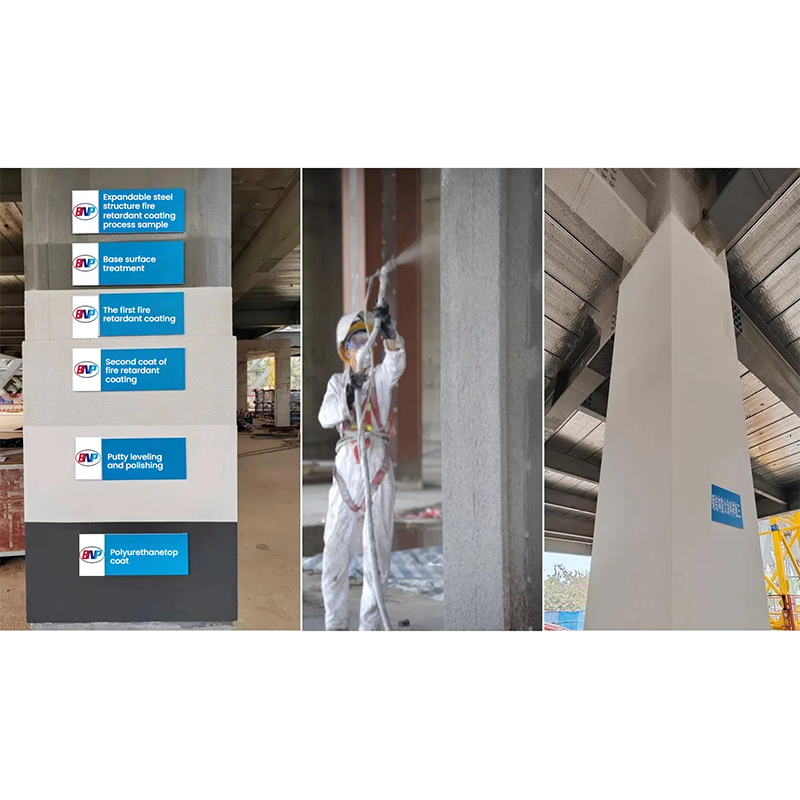
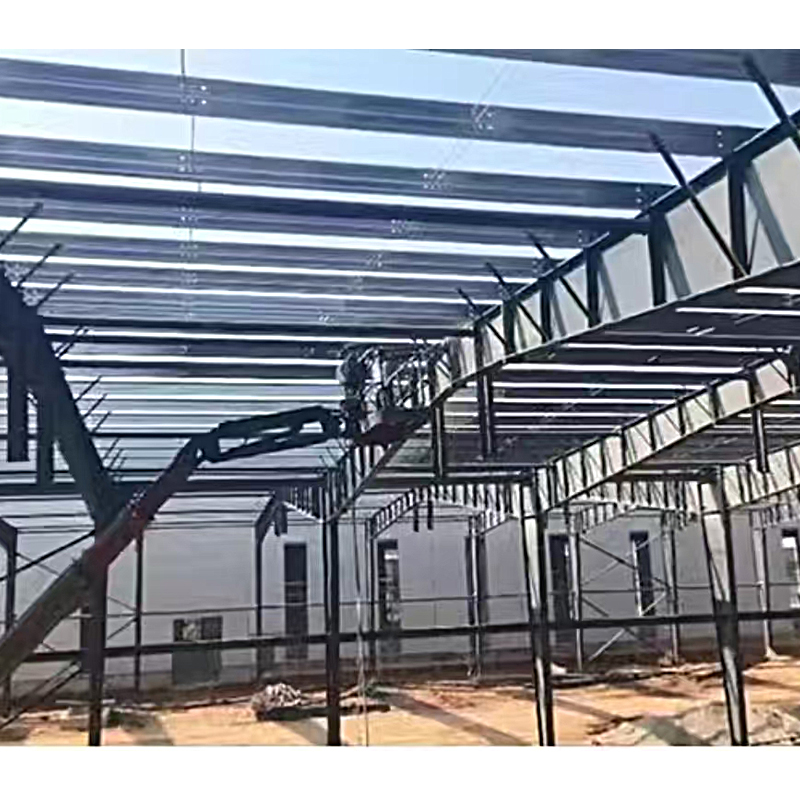
As an important component of modern building fire protection technology, indoor intumescent steel structure fire retardant coating plays an irreplaceable role in ensuring safety in public buildings and high-rise steel structure buildings.